The Digital Classroom: How Online Education is Reshaping Learning and Work
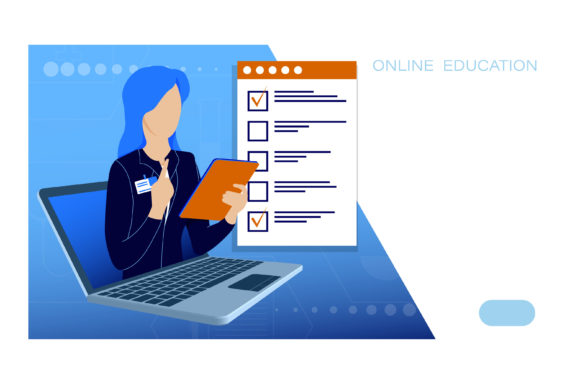
In the not-so-distant past, the image of education was rigid: rows of desks, a chalkboard, and a teacher standing at the front of a physical room. Today, that image has evolved into something far more dynamic. Imagine a teacher conducting a lesson online from a laptop, explaining complex teaching material to students scattered across different time zones. This is no longer a futuristic concept; it is the current reality for millions of learners and educators worldwide. The shift toward online education has fundamentally altered how we acquire knowledge, conduct training, and approach remote work.
This transformation is not merely about swapping a physical classroom for a video call. It represents a broader cultural and technological shift where learning becomes accessible, flexible, and deeply integrated into our daily digital lives. Whether you are a student, a professional seeking upskilling, or a business leader organizing online conferences, understanding the mechanics and benefits of this digital ecosystem is essential.
Understanding the Core of Virtual Learning
At its heart, online education is the delivery of instructional content via the internet. However, to view it simply as "remote schooling" is a common misunderstanding. It is a multifaceted ecosystem that includes synchronous learning (live classes), asynchronous learning (pre-recorded modules), and hybrid models. When a teacher explains teaching material through a screen, they are leveraging a suite of digital tools designed to enhance engagement rather than diminish it.
The significance of this shift lies in accessibility. Traditional education often requires physical presence, which can be a barrier due to geography, mobility issues, or scheduling conflicts. Online learning dismantles these barriers. A student in a rural village can attend a lecture given by a professor in a major metropolitan hub. A working parent can complete a certification course after putting their children to bed. This flexibility is the cornerstone of modern digital literacy and lifelong learning.
The Role of Technology in Facilitating Connection
The backbone of this educational revolution is robust technology. High-speed internet, cloud computing, and sophisticated software platforms have made it possible to replicate, and in some cases exceed, the interactivity of face-to-face instruction. When we talk about online conferences and training, we are referring to platforms that allow for real-time collaboration, screen sharing, and instant feedback.
Consider the vector of progress in this field. Early online courses were often static text pages with simple quizzes. Today, they involve immersive simulations, interactive whiteboards, and breakout rooms where small groups can discuss ideas. The teacher’s laptop becomes a command center, broadcasting not just voice and video, but also data, visuals, and collaborative documents. This technological integration ensures that the human element of teaching—mentorship, guidance, and inspiration—remains intact despite the physical distance.
Bridging Education and the Modern Workplace
The principles of online education extend far beyond academic institutions. They have become integral to the modern workplace, particularly with the rise of remote work from home on the Internet. Companies now rely heavily on digital training programs to onboard new employees, update staff on compliance regulations, and foster professional development.
This convergence of education and work creates a seamless loop of continuous improvement. For instance, a marketing team might participate in an online conference to learn about the latest algorithm changes in social media. Immediately after, they can apply these insights to their remote workflows. This agility is crucial in today’s fast-paced business environment, where skills can become obsolete quickly.
- Flexibility: Employees can learn at their own pace without disrupting their workflow.
- Cost-Effectiveness: Organizations save on travel and venue costs for training sessions.
- Scalability: A single training module can be deployed to thousands of employees globally.
- Data-Driven Insights: Digital platforms provide analytics on learner engagement and comprehension.
Practical Relevance for Daily Life
Beyond formal education and corporate training, online learning has permeated daily life. From cooking tutorials on YouTube to coding bootcamps, individuals are constantly engaging in micro-learning. This democratization of knowledge empowers people to pursue hobbies, solve immediate problems, and explore new interests without the commitment of traditional enrollment.
For example, someone interested in graphic design might start with free online resources, gradually moving to paid courses as their skills develop. This journey is supported by communities of practice found in online forums and social media groups, where learners share tips, critique work, and motivate each other. The vector of this growth is upward and outward, expanding both individual capability and community knowledge.
Addressing Common Misconceptions
Despite its widespread adoption, several myths about online education persist. One common assumption is that online learning is isolating. In reality, many digital platforms are designed to foster community. Discussion boards, peer reviews, and live Q&A sessions create vibrant interactions that can sometimes be more inclusive than physical classrooms, where shy students might hesitate to speak up.
Another misconception is that online education lacks rigor. While it is true that self-discipline is required, the quality of content in reputable online programs is often on par with, or superior to, traditional counterparts. Many top universities and industry leaders now offer certified online degrees and credentials that are highly respected in the job market. The key is not the medium, but the methodology and the dedication of the learner.
- Self-Paced Learning: Allows for deeper reflection and understanding.
- Diverse Perspectives: Connects learners with peers from various cultural and professional backgrounds.
- Immediate Application: Enables learners to apply concepts in real-time within their own environments.
The Future of Remote Interaction
As we look ahead, the line between physical and digital learning will continue to blur. Emerging technologies like virtual reality (VR) and augmented reality (AR) promise to make online experiences even more immersive. Imagine a medical student practicing surgery in a virtual environment or an engineering student manipulating 3D models of machinery from their living room. These advancements will further enhance the effectiveness of online conferences and training sessions.
Moreover, the normalization of remote work has cemented the importance of digital communication skills. Being able to collaborate effectively online is now a core competency in almost every profession. This shift underscores the need for educational systems to prioritize digital fluency alongside traditional subjects. Teachers are not just imparting subject matter; they are modeling how to navigate and thrive in a digital world.
Conclusion: Embracing the Digital Shift
The rise of online education is not a temporary trend but a permanent evolution in how we learn and work. By leveraging technology, we have created a system that is more accessible, flexible, and responsive to individual needs. Whether it is a teacher explaining material from a laptop, a company hosting global training sessions, or an individual pursuing a new hobby, the digital classroom offers unprecedented opportunities.
To thrive in this environment, we must embrace the tools and mindsets that support effective online learning. This includes cultivating self-discipline, engaging actively with digital communities, and staying curious about new technologies. As we continue to integrate learning into our daily digital routines, we unlock the potential for continuous growth and innovation. The future of education is here, and it is online, connected, and endlessly adaptable.
For those ready to take the next step, exploring reputable online platforms and committing to a structured learning path can yield significant personal and professional rewards. The barrier to entry has never been lower, and the potential for impact has never been higher. Welcome to the new era of remote work from home on the Internet and lifelong digital learning.