Online Education: The Modern Teacher
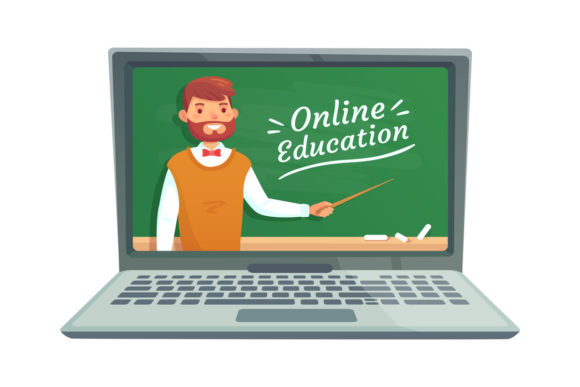
The landscape of knowledge transfer has shifted dramatically. We have moved from rigid lecture halls to dynamic digital spaces where a teacher conducts lessons online from a laptop, bridging geographical gaps with just a click. This evolution is not merely about convenience; it represents a fundamental change in how we consume, process, and apply information. For professionals, entrepreneurs, and lifelong learners, understanding the mechanics of this shift is crucial for staying competitive in an increasingly digital world.
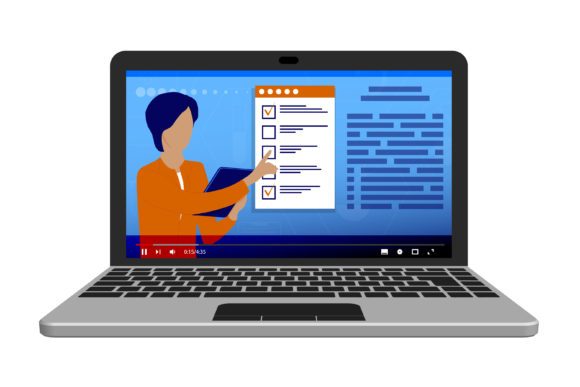
At its core, this model relies on seamless connectivity and intuitive design. Imagine a scenario where an instructor explains complex teaching material through a high-definition video stream, using digital whiteboards and interactive slides. Simultaneously, a student takes an exam using a checklist from a smartphone on the internet. This fluidity between instruction and assessment defines the modern educational experience. It is efficient, accessible, and tailored to the rhythms of contemporary life.
Redefining the Classroom Dynamic
Traditional education often suffered from a one-size-fits-all approach. In contrast, online education allows for a more personalized journey. When a teacher operates from a laptop, they are not limited by physical resources. They can pull up real-time data, share screens from global experts, or demonstrate software workflows instantly. This immediacy transforms passive listening into active engagement.
The role of the educator has also evolved. They are no longer just gatekeepers of information but facilitators of learning. Their ability to communicate clearly through a camera lens, manage digital tools, and maintain student engagement without physical presence requires a new set of skills. Successful online teachers master the art of digital body language, ensuring their tone and pacing resonate through the screen.
- Flexibility: Learners can access materials at their own pace, fitting education around work and family commitments.
- Accessibility: High-quality instruction is available to anyone with an internet connection, democratizing expertise.
- Interactivity: Digital platforms offer polls, quizzes, and breakout rooms that encourage participation.
The Student Experience: Mobility and Assessment
Consider the student’s perspective. No longer tethered to a desk, they can engage with course content from anywhere. The image of a student taking an exam using a checklist from a smartphone highlights the power of mobile optimization. This capability ensures that learning is not confined to specific hours or locations. Whether commuting, traveling, or taking a break at work, progress can be made in micro-moments.
This mobility demands robust technical infrastructure. Platforms must be responsive, ensuring that checklists, videos, and reading materials render correctly on smaller screens. For educators and course creators, this means prioritizing mobile-first design. If a user struggles to navigate an exam on their phone, completion rates drop. Usability is not a luxury; it is a prerequisite for effective online learning.
Furthermore, the use of digital checklists provides immediate feedback. Students can track their progress in real-time, identifying areas where they need further review. This transparency builds confidence and reduces the anxiety often associated with traditional testing environments. It turns assessment into a tool for growth rather than just a final judgment.
Practical Applications Across Industries
The utility of online education extends far beyond academic degrees. Professionals across various sectors are leveraging these tools to enhance skills and drive business results.
Corporate Training and Development
Businesses use online modules to onboard new employees efficiently. Instead of spending days in conference rooms, new hires can complete compliance training and role-specific lessons at their own speed. Managers can track progress through dashboards, ensuring everyone meets the required standards before starting client work.
Creative Skills and Hobbyists
Artists, writers, and musicians benefit immensely from visual instruction. A photography teacher can explain lighting techniques via live stream, while students practice and upload their results for critique. This feedback loop accelerates skill acquisition compared to self-study alone.
Entrepreneurship and Marketing
For entrepreneurs, time is currency. Online courses allow them to learn digital marketing, financial planning, or coding without leaving their offices. The ability to pause, rewind, and revisit complex explanations ensures deep understanding without the pressure of keeping up with a live class pace.
Key Characteristics of Effective Online Learning
To maximize the benefits of this format, certain qualities must be present. First, clarity is paramount. Without physical cues, instructions must be explicit and well-structured. Second, engagement must be intentional. Interactive elements like quizzes, discussion forums, and peer reviews keep learners invested. Third, reliability of the platform ensures that technical glitches do not hinder the learning process.
Another notable quality is the asynchronous nature of much online content. While live sessions have value, recorded lessons allow for deeper reflection. Learners can take notes, research related topics, and return to difficult concepts as needed. This flexibility supports diverse learning styles and cognitive processing speeds.
Selecting the Right Platform and Approach
When evaluating online education options, whether as a learner or a creator, consider the following factors:
- Content Quality: Is the material up-to-date and taught by recognized experts? Look for evidence of practical experience, not just theoretical knowledge.
- User Interface: Is the platform intuitive? Can you easily access lessons on both laptop and smartphone?
- Community Support: Does the course offer opportunities for interaction? Peer support can significantly enhance motivation and understanding.
- Certification Value: If career advancement is the goal, ensure the certification is recognized in your industry.
For educators, investing in good audio and video equipment is non-negotiable. Poor sound quality can distract learners and diminish perceived value. Additionally, structuring content into bite-sized modules respects the learner’s time and attention span. Long, unbroken lectures rarely translate well to the digital environment.
The Future of Digital Instruction
As technology advances, we can expect even more immersive experiences. Virtual reality may soon allow students to step inside historical events or scientific simulations. Artificial intelligence could provide personalized learning paths, adapting difficulty levels based on individual performance. However, the human element remains central. The connection between a teacher explaining material and a student striving to understand it is the heart of education, regardless of the medium.
The shift to online learning is not a temporary trend but a permanent expansion of educational possibilities. It offers unprecedented access to knowledge and skills. By embracing the tools and methodologies that make this possible, individuals and organizations can unlock new levels of productivity and growth. Whether you are teaching from a laptop or learning from a smartphone, the opportunity to expand your horizons has never been greater.
In conclusion, the synergy between dedicated educators and flexible digital platforms creates a powerful ecosystem for growth. By focusing on usability, engagement, and practical application, online education continues to prove its worth as a vital component of modern life. Embrace the flexibility, leverage the technology, and commit to continuous learning.